
Here’s a short overall preview before diving into Part 1 of the article. You’ll get a full guide on making Minute Creamy Chicken Broccoli Penne, covering what it is, how it saves time, detailed ingredient breakdowns, cooking science (like al dente pasta and tender-crisp broccoli), safe chicken handling, creamy sauce secrets, troubleshooting, and storage. The focus is on keeping it quick, tasty, and family-friendly—while still looking like you fussed over it.
Minute Creamy Chicken Broccoli Penne
Hook, Promise & TL;DR
Why this “minute” dinner works
Weeknight dinners don’t have to be boring or bland. Minute Creamy Chicken Broccoli Penne proves that speed and flavor can go hand in hand. With a handful of everyday ingredients—penne pasta, juicy chicken, crisp broccoli, and a silky cream sauce—you’ll create a comforting meal in about half an hour. The pasta soaks up flavor, the broccoli stays bright, and the sauce clings like velvet. And here’s the real win: it’s a one-pot wonder when you want fewer dishes. From stovetop to table in minutes, it’s a recipe designed to please both busy cooks and hungry eaters.
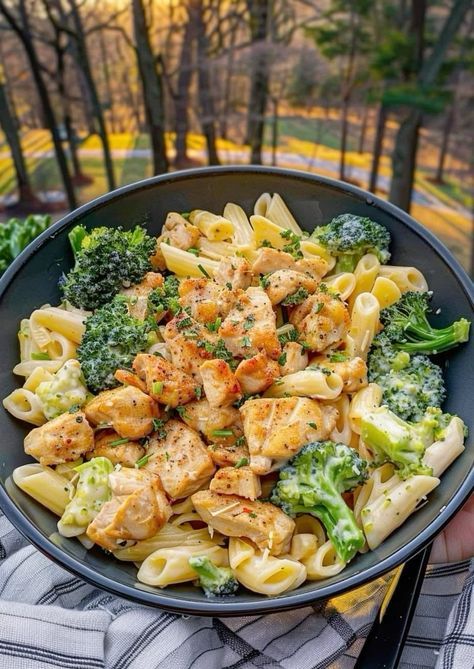
Minute Creamy Chicken Broccoli Penne – Quick & Easy Pasta Dinner
20-Minute Creamy Chicken Broccoli Penne
Serves 4
Ingredients
-
12 oz (340 g) penne
-
3 cups (300 g) broccoli florets
-
1 lb (450 g) chicken breast, 2 cm cubes
-
2 tbsp olive oil + 1 tbsp butter
-
3 cloves garlic, minced
-
1 cup (240 ml) chicken broth
-
1 cup (240 ml) heavy cream (or half-and-half)
-
¾ cup (75 g) grated Parmesan
-
1 tsp Italian seasoning, ½ tsp chili flakes (opt)
-
Salt & black pepper, chopped parsley, lemon zest (opt)
Instructions
Method
-
Boil pasta in salted water; add broccoli for last 2 minutes. Reserve 1 cup pasta water; drain.
-
Season chicken with salt/pepper. Sear in oil (medium-high) 4–6 min until golden; set aside.
-
In the same pan: butter + garlic 30 sec. Add broth; simmer 1 min scraping brown bits.
-
Stir in cream, Italian seasoning, chili flakes; simmer 2–3 min to thicken.
-
Add Parmesan, then chicken. Toss in pasta + broccoli, loosening with reserved water until glossy.
-
Finish with parsley and lemon zest. Serve hot.
2) Lemony Garlic (No-Cream) Chicken Broccoli Pasta
-
Swap the cream for: ¼ cup (60 ml) olive oil + juice & zest of 1 lemon.
-
After step 3, add ½ cup (120 ml) broth + ½ cup pasta water, emulsify with oil, then toss in ½ cup Parmesan off-heat. Bright, lighter, silky.
3) Cajun Chicken Alfredo
-
Toss chicken with 1–1½ tsp Cajun seasoning before searing.
-
Use cream as in recipe #1; add ½ tsp smoked paprika and a knob of butter with the Parmesan.
4) Pesto Chicken Broccoli Penne
-
Skip Italian seasoning and cream.
-
After deglazing with ½ cup broth, turn off heat and stir in ⅓–½ cup basil pesto + splash of pasta water and ½ cup Parmesan. Super fragrant.
5) High-Protein Greek Yogurt Sauce (Light & Tangy)
-
Simmer ½ cup broth with garlic; remove pan from heat.
-
Whisk in 1 cup plain Greek yogurt + ½ cup Parmesan until smooth (off heat to prevent curdling).
-
Toss with pasta, broccoli, and chicken; adjust with pasta water.
Easy swaps & adds
-
Pasta: penne → rigatoni, farfalle, or gluten-free.
-
Veg: broccoli → asparagus, peas, spinach, or zucchini.
-
Protein: chicken → shrimp (2–3 min cook) or rotisserie chicken.
-
Extras: sun-dried tomatoes, mushrooms, or crispy bacon.
Want me to format one version for your blog (SEO title, meta, FAQs, etc.)?
- Author: laura
TL;DR keys
-
Sear bite-size chicken until golden.
-
Boil penne to al dente (tender yet firm).
-
Toss in broccoli florets at the last 2–3 minutes of pasta cooking for bright green crunch.
-
Make a quick sauce with cream or cream cheese plus Parmesan and a splash of reserved pasta water for a glossy coat.
-
Check that chicken reaches 165°F—the USDA safe temp for poultry.
-
Finish with lemon zest, fresh parsley, and extra Parmesan.
-
Serve hot, creamy, and ready in under 30 minutes.
What Is “Minute Creamy Chicken Broccoli Penne”?
Defining the dish
At its core, Minute Creamy Chicken Broccoli Penne is comfort food dressed up for busy schedules. It blends tender bites of penne pasta, juicy chunks of chicken, and vibrant broccoli florets in a smooth, velvety sauce. Unlike heavy baked casseroles, this recipe skips the oven and relies on a quick stovetop method. Cream, cream cheese, or half-and-half creates the creamy base, while Parmesan adds depth and saltiness. Because the pasta water carries starch, the sauce clings beautifully to every bite. The result? A balanced one-pan pasta bowl that feels hearty yet comes together in minutes.
Why it’s fast
This dish earns its “minute” name thanks to clever multitasking. While the chicken sears, the penne boils. Broccoli drops into the pot during the last couple minutes of pasta cooking, so it finishes perfectly with no extra pans. The sauce takes shape directly in the skillet, using the chicken fond and reserved pasta water. Everything comes together in under 30 minutes, which makes it a lifesaver for weeknights when time feels scarce but flavor still matters.
Ingredient Breakdown & Smart Substitutions
Pasta & broccoli
Penne is the go-to here because its ridges hold onto the creamy sauce, ensuring every bite bursts with flavor. If penne isn’t in your pantry, rigatoni or rotini work almost as well. Broccoli adds both color and nutrition, offering a tender-crisp bite that balances the richness of the sauce. Cut florets into even, bite-sized pieces for consistent cooking. Don’t toss the stems—peel and dice them for extra texture. When time is short, frozen broccoli can also step in. Just thaw slightly and pat dry to prevent watering down the cream sauce.
Chicken & dairy
Juicy chicken breast or tender chicken thighs both shine in this dish. Breasts cook fast and stay lean, while thighs deliver richer flavor. Cut them into small, even chunks so they cook quickly and evenly. For the creamy base, you can use heavy cream for richness, half-and-half for a lighter version, or even cream cheese plus a sprinkle of Parmesan for instant silkiness. Cream cheese, in particular, creates a glossy sauce that thickens quickly—a trick many modern recipes rely on. Parmesan sharpens the flavor, while a pinch of salt and pepper balances the whole dish.
Aromatics & add-ins
Garlic and onion (or shallots) build a fragrant backbone. A whisper of lemon zest brightens the cream, while a squeeze of juice just before serving cuts richness. For spice lovers, a pinch of red pepper flakes adds heat. Herbs like parsley or basil give freshness. Want to switch it up? Toss in sun-dried tomatoes for sweetness, or sautéed mushrooms for depth. These swaps keep the recipe versatile while staying true to its “minute” appeal.
Gear & Pantry Setup
Tools you’ll need
Keeping equipment simple makes this recipe shine. A wide 12-inch sauté pan or Dutch oven works best for the one-pot method, giving space for pasta, chicken, and sauce to mingle. A sturdy wooden spoon or silicone spatula helps scrape up the flavorful fond from searing chicken. A skimmer or slotted spoon makes transferring pasta and broccoli easy. For precision, a digital thermometer confirms chicken is safely cooked to 165°F. Lastly, a fine grater for Parmesan and lemon zest guarantees fresh, sharp flavor.
Pantry checklist
Stock your kitchen with olive oil, garlic, onions, and salt—the foundation of flavor. Keep cream or cream cheese in the fridge, plus a wedge of Parmesan for that nutty finish. Pasta is the star, so choose penne or a close substitute. With these basics on hand, you can whip up Minute Creamy Chicken Broccoli Penne almost anytime without fuss.
Timing Map: From Sear to Serve in ~20–30 Minutes
Minute-by-minute flow
One of the secrets to Minute Creamy Chicken Broccoli Penne is learning how to layer tasks so nothing feels rushed. Start by heating your skillet and searing the chicken pieces until golden. As soon as the chicken is underway, bring a pot of salted water to a rolling boil and drop in the penne. By the time the chicken has browned, the pasta will be halfway done. At that point, add the broccoli florets directly into the pasta pot for the last two or three minutes of cooking. Drain the pasta and broccoli together, reserving at least one cup of the starchy water. Now, return to the skillet, where you’ll build the sauce with cream, Parmesan, and garlic, loosening it with that pasta water until glossy. Finally, add the drained pasta and broccoli to the skillet, toss well, and coat everything evenly. From skillet to plate, the clock usually stops at 25–28 minutes.
What “done” looks like
Every element has a clear signpost of doneness. The chicken should reach 165°F internally, ensuring safety without drying out. The penne should be al dente—tender but still with a gentle bite. The broccoli should hold a vivid green color and feel tender-crisp, not mushy. And the sauce? It should cling to each piece of pasta, creamy but not heavy, with no separation of fat. When all these cues align, you know the dish is table-ready.
Pasta Science: Al Dente & Sauce Emulsification
Al dente, clearly
Cooking pasta al dente means pulling it from the water when it’s tender but still has a slight bite at the center. This texture matters for two reasons: first, it prevents the pasta from turning mushy once it’s tossed into the creamy sauce, and second, it allows the penne to soak up flavor as it finishes in the skillet. To hit that sweet spot, check the package instructions, then taste-test a minute before the lowest suggested cook time. The pasta should be firm but not chalky. That’s the point where it locks in perfect chewiness.
Why one-pot works
Ever notice how creamy sauces sometimes slide off pasta? That’s because they lack starch. By using the one-pot method, where pasta cooks in just enough water or broth, the released starch stays in the pot instead of being poured down the drain. This natural starch acts like glue, helping the cream and Parmesan cling tightly to the penne. Even if you cook pasta separately, always save a cup of the boiling water. Adding splashes of that liquid to the skillet helps emulsify the sauce, giving it a silky texture and preventing it from breaking or turning greasy.
Broccoli Basics: Bright, Tender, Green
Quick-cook or blanch-and-shock
The best broccoli isn’t dull or soggy—it’s tender yet still crisp, with a bright green hue. That means you’ve got to time it right. One way is to boil florets for 2–3 minutes in salted water, then lift them straight into an ice bath. The cold shock halts cooking instantly, locking in both texture and color. This method is great if you like to prep ahead or want precise control. Another option? Let the florets finish directly in the skillet sauce. They’ll soften slightly more, but they’ll absorb those creamy, garlicky flavors in every bite.
Add timing to the pasta pot
If you prefer simplicity, use the pasta water trick. Just toss the broccoli florets into the pot for the last two or three minutes of penne cooking. That way, both pasta and broccoli hit perfect doneness together. It saves you a dish, and the starch-enriched water still gets reserved for the sauce. The result? Broccoli that’s vivid green, tender enough to pierce with a fork, but never mushy—ready to mix into your creamy skillet base without losing its snap or color.
Chicken: Juicy Sear & Food Safety
Sear for flavor
Golden chicken is the backbone of this pasta. Cut boneless pieces into small, even chunks so they cook quickly. Heat a drizzle of oil in a wide pan until shimmering, then add the chicken in a single layer. Let it sit for a minute or two without moving—this helps build a golden crust and unlocks flavor-packed fond on the pan. Once browned, flip the pieces and finish cooking. That browned surface not only seals in juices but also enriches the sauce when you deglaze the pan with pasta water or broth.
Safe temp & carryover
Delicious chicken is nothing without safety. The USDA recommends an internal temperature of 165°F (74°C) for poultry. Use a digital thermometer to check the thickest piece. Once it hits that mark, remove the chicken from direct heat and let it rest briefly. Carryover cooking will keep it tender without drying out. If you’re reusing cooked chicken, like rotisserie leftovers, add it near the end to warm gently instead of cooking it twice. That way, your pasta stays juicy, flavorful, and worry-free for the whole table.
Build the Creamy Sauce
Options that work
The magic of Minute Creamy Chicken Broccoli Penne lies in its silky sauce. Heavy cream gives the richest finish, but half-and-half works if you want something lighter. Many cooks lean on cream cheese plus Parmesan for body and flavor—it melts fast and thickens quickly, which means less waiting and no need for a roux. Parmesan adds that nutty, savory punch while helping the sauce cling to every piece of penne. Whichever path you choose, always combine the dairy base with a splash of reserved pasta water. The starch in that liquid turns the sauce glossy, coating each bite perfectly.
Keep it smooth, no curdle
A creamy pasta sauce can split if you rush the process. To keep it lush, heat gently—avoid boiling once the dairy is in. If you’re using cream cheese, cube it first so it melts evenly. Always add grated Parmesan off the heat to stop clumping. Balance with pasta water gradually, stirring until the texture feels silky. If you like a brighter edge, squeeze in a little lemon juice at the end, but never before the sauce is stabilized. This way, your sauce stays velvety, without breaking or turning grainy.
One-Pot vs. Two-Pot: Pick Your Path
One-pot perks
Cooking everything in one pot is the ultimate time-saver. The pasta releases starch into the same water where the chicken and broccoli will finish, naturally thickening the sauce and helping it cling to each piece of penne. You’ll only wash a single pan, and the flavor layers beautifully since the browned bits from the chicken mingle directly with the cream base. For busy weeknights, this method wins—it’s efficient, bold in taste, and leaves you with minimal cleanup.
Two-pot control
If you crave more precision, the two-pot route may be for you. Boil penne and broccoli separately, draining them at just the right doneness. Meanwhile, in a skillet, build the sauce around the seared chicken and aromatics. This path takes a little longer, but it gives you sharper control over each element. The pasta stays exactly al dente, the broccoli keeps a vibrant green, and the sauce reduces to the perfect thickness before everything comes together in the final toss.
Seasoning & Finishes
Salt, pepper, and aromatics
Seasoning may sound basic, but it’s what transforms good pasta into great pasta. Always salt your pasta water generously—it should taste like the sea—so the penne absorbs flavor from the inside out. Freshly cracked black pepper adds gentle heat that balances the creamy base. Don’t skip the aromatics: garlic and onion sautéed in the same pan where the chicken browned infuse the sauce with depth. Even a pinch of red pepper flakes can spark brightness without overwhelming the dish.
Final touches
Right before serving, layer on a few finishing touches to elevate the entire bowl. A sprinkle of freshly grated Parmesan adds salty richness. A shower of chopped parsley or basil brings color and freshness. For those who like contrast, add lemon zest or a squeeze of juice—it cuts through the cream beautifully. And if you enjoy a little kick, scatter some extra chili flakes. These simple garnishes turn a quick weeknight recipe into something that looks and tastes restaurant-worthy.
Swaps, Variations & Diet Tweaks
Protein & dairy swaps
The beauty of Minute Creamy Chicken Broccoli Penne is how flexible it is. If you don’t have raw chicken on hand, shredded rotisserie chicken works perfectly—just stir it in near the end to warm through. Turkey breast or even ground chicken can step in without changing the flavor balance. For a smoky twist, crumble in a little crisp bacon as a topping. When it comes to dairy, you’ve got options too. Go rich with heavy cream, lighten with half-and-half, or use evaporated milk for fewer calories but the same creamy feel. Lactose-free cream or dairy-free alternatives like coconut cream can keep the sauce smooth for those avoiding dairy.
Flavor riffs
Want to remix the flavor? Try stirring in a spoonful of pesto at the end for a bright, herbal finish. A creamy-tomato version works too—add a few tablespoons of tomato paste or sun-dried tomatoes to the sauce before tossing the pasta. For a deeper, earthy layer, sauté mushrooms with the garlic and onions. If you’re after a sharper kick, swap part of the cream for a splash of chicken broth and finish with extra Parmesan. Even simple tweaks—like topping with red pepper flakes, adding lemon zest, or folding in spinach—create new profiles without much effort. Each variation keeps the quick-cook spirit alive while letting you tailor the dish to your taste.
Make-Ahead, Storage & Reheat
Fridge-friendly storage
Minute Creamy Chicken Broccoli Penne tastes best fresh, but leftovers can hold their own with smart storage. Once the pasta has cooled to room temperature, transfer it into an airtight container. Pop it in the fridge, and it’ll keep well for up to 3–4 days. The key is cooling quickly—don’t let it sit out more than 2 hours. That way, you avoid any food safety risks while preserving the sauce’s texture. For best results, sprinkle a little extra Parmesan on top before sealing, which helps absorb excess moisture.
Gentle reheating tips
Reheating creamy pasta takes a little care. Use low heat on the stovetop and add a splash of water, broth, or cream to loosen the sauce. Stir gently as it warms so the dairy re-emulsifies instead of splitting. The microwave works in a pinch, but reheat in short bursts, stirring between each. Avoid boiling the pasta again—too much heat will turn the sauce grainy and the broccoli mushy. With the right approach, leftovers taste nearly as comforting as day one.
Food safety reminder
Always check that reheated chicken is piping hot before serving. The USDA guideline still applies: 165°F (74°C) is the safe internal temperature for poultry. Keeping this in mind ensures your quick pasta dinner stays both delicious and worry-free, whether you enjoy it fresh or the day after.
Troubleshooting
Sauce too thin or grainy
If your sauce feels watery, don’t panic. The most common fix is simple: simmer gently for a few more minutes to let excess liquid reduce. Always stir steadily so the cream doesn’t scorch. Another pro move is to whisk in a bit more grated Parmesan off the heat—the cheese helps thicken while boosting flavor. If the sauce looks grainy, it usually means the dairy was overheated. To prevent this, keep the flame low once cream, cream cheese, or half-and-half is added. And never add lemon juice too early; acidity before the sauce stabilizes can cause curdling.
Pasta mushy or broccoli drab
Overcooked pasta and limp broccoli can drag down an otherwise perfect dinner. To avoid mushy penne, start checking for doneness a minute before the package suggests. Pasta should be al dente, tender but with a tiny bite in the center. As for broccoli, timing is everything. If it’s going into the pasta pot, drop the florets only for the final 2–3 minutes of boiling. They’ll finish crisp and bright. Another option is blanch-and-shock—cook florets briefly in salted water, then plunge them into ice water. That quick chill locks in both color and crunch, so your broccoli stays vibrant instead of turning dull and soggy.
Conclusion
Minute Creamy Chicken Broccoli Penne is proof that simple food can still feel indulgent. With just a few pantry staples—penne pasta, juicy chicken, fresh broccoli, and a silky cream sauce—you can put a hearty, wholesome meal on the table in about half an hour. The trick is multitasking smartly: sear the chicken while the pasta boils, drop the broccoli at just the right moment, and finish everything in one glossy skillet. By saving pasta water and stirring it into the sauce, you unlock that restaurant-style cling and creaminess.
What makes this recipe shine is its flexibility. You can go rich with cream, keep it light with half-and-half, or rely on cream cheese for fast thickening. You can swap proteins, adjust seasoning, or add veggies like mushrooms or spinach without losing its quick-and-easy nature. Most of all, this dish proves that even on the busiest nights, comfort food doesn’t have to wait. One pan, one pot, and less than 30 minutes—that’s a win.