
What Are Cabbage Steaks?
Cabbage steaks are thick-cut slices of cabbage that are roasted or baked until caramelized and golden.
As a result, you get a low-carb, oven-roasted vegetable dish with a meaty texture and rich roasted flavor.
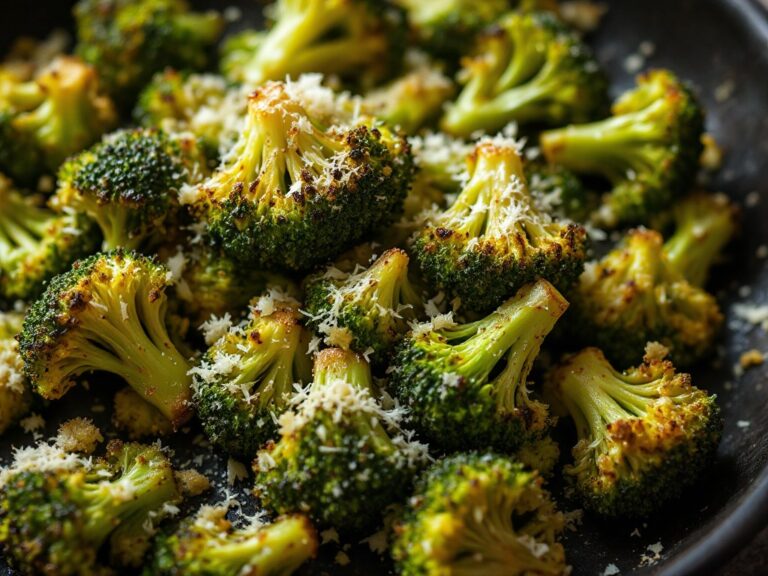
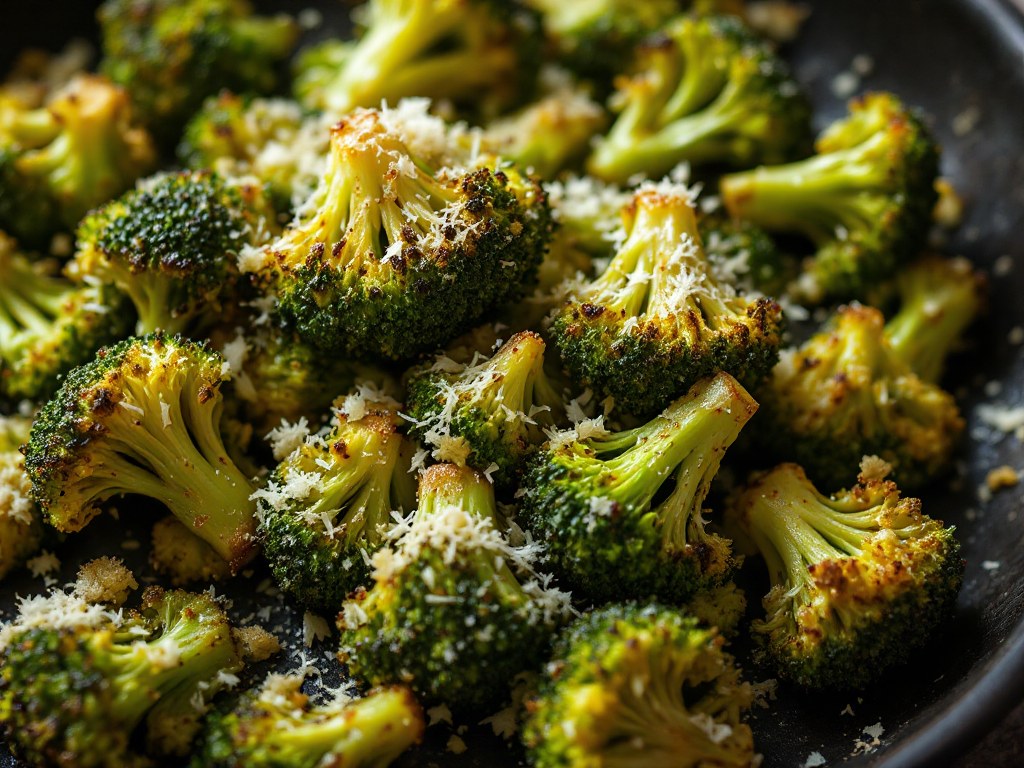
Garlic Parmesan Broccoli (Easy Roasted Side Dish Recipe)
Ingredients
-
4 cups broccoli florets
-
2 tbsp cream cheese
-
¼ tsp crushed red pepper flakes
-
2 tbsp butter
-
2–3 cloves garlic, minced
-
¼ cup grated Parmesan cheese
-
Salt and black pepper to taste
-
Saucepan or skillet
-
Spoon
-
Knife
-
Cutting board
-
Bowl
Instructions
-
Steam or boil the broccoli until tender but still bright green.
-
In a skillet, melt the butter and sauté garlic until fragrant.
-
Add the cream cheese and stir until it melts into a creamy sauce.
-
Add steamed broccoli into the pan and toss to coat.
-
Season with salt, pepper, and red pepper flakes.
-
Sprinkle Parmesan cheese over the top.
-
Mix gently until everything is well coated.
-
Serve warm as a keto-friendly side dish.
- Author: mia recipe
Why This Recipe is So Popular
First of all, it’s budget-friendly and uses very few ingredients.
In addition, it’s naturally low in carbs and fits well into lighter eating styles.
Moreover, roasting brings out the natural sweetness of cabbage, making it much more flavorful than you might expect
Furthermore, the cabbage becomes tender inside while developing a caramelized surface outside.
In short, it’s a simple yet flavorful side dish that turns an everyday vegetable into something special.
This low carb garlic roasted cabbage steaks recipe uses very simple pantry ingredients, yet each one plays a key role in building deep roasted flavor, crisp edges, and a tender center.
Cabbage (The Star Ingredient)
Green cabbage works best because it holds its shape well when sliced thick and roasted.
Cutting it into “steaks” keeps the structure intact, so it roasts evenly and develops caramelized edges without falling apart.
Olive Oil (Crispness & Roasting Base)
Olive oil helps the cabbage brown properly in the oven.
It also enhances flavor and prevents the edges from drying out too quickly during roasting.
Garlic (Main Flavor Element)
Fresh minced garlic or garlic powder adds bold, savory depth.
As it roasts, garlic becomes slightly sweet and aromatic, blending perfectly with the natural flavor of cabbage.
Seasonings (Flavor Balance)
Simple seasoning like salt, black pepper, and paprika brings balance and enhances the roasted taste.
Paprika also adds a subtle smoky note and a warm color.
Optional Add-Ins
Parmesan cheese can be sprinkled on top for a salty, crispy finish.
Red pepper flakes add heat, while lemon juice can brighten the final flavor after roasting.
For better understanding of vegetable roasting and caramelization, culinary resources like Serious Eats Cooking Techniques Guide explain how high heat and oil distribution improve browning and texture.
At this stage, all ingredients are ready, and the next step is slicing, seasoning, and roasting the cabbage until golden, crispy, and tender.
STEP-BY-STEP ROASTING GUIDE
Now everything comes together into tender, golden low carb garlic roasted cabbage steaks with crispy edges and a rich, savory flavor. The process is simple, but technique matters for the best texture.
Preparing the Cabbage
Start by removing any loose or damaged outer leaves. Slice the cabbage into thick “steaks,” about 1 to 1.5 inches wide. Keeping the core intact helps each slice hold its shape during roasting.
Place the slices on a baking tray lined with parchment paper. Try to keep them in a single layer so they roast evenly instead of steaming.
Seasoning the Steaks
Brush both sides of each cabbage slice with olive oil. This step is important because it helps the edges caramelize and prevents dryness.
Sprinkle salt, black pepper, paprika, and minced garlic evenly over the top. Make sure the seasoning reaches the edges for full flavor in every bite.
Roasting in the Oven
Place the tray in a preheated oven. Roast until the cabbage becomes tender in the center and the edges turn golden and slightly crisp.
Halfway through cooking, carefully flip the cabbage steaks so both sides brown evenly.
For better understanding of roasting temperature and caramelization, culinary guidance from Serious Eats Cooking Techniques Guide explains how heat intensity affects moisture loss and crisp texture development.
Optional Finishing Touch
Once out of the oven, you can add a final drizzle of olive oil or a sprinkle of parmesan cheese while the cabbage is still hot. This helps the flavors melt into the surface.
A light squeeze of lemon can also brighten the roasted garlic flavor.
Final Result
The cabbage steaks should be tender inside, slightly crisp on the edges, and infused with rich garlic flavor.
At this point, they are ready to serve as a simple, flavorful low-carb side dish or light main.
Now that your low carb garlic roasted cabbage steaks are ready, a few small adjustments can easily improve crispiness, flavor depth, and overall presentation. Since cabbage is simple by nature, technique makes all the difference.
Getting Crispier Edges
First, make sure the oven is fully preheated before roasting. A hot oven helps the cabbage caramelize instead of steaming.
Also, avoid overcrowding the tray. Giving each slice space allows heat to circulate properly, which leads to better browning and crisp edges.
Preventing Soggy Cabbage
Too much moisture is the main reason cabbage turns soft instead of crispy. Pat the slices dry after cutting if needed.
In addition, brushing oil evenly on both sides helps lock in texture while encouraging roasting instead of steaming.
For better understanding of vegetable moisture control and crisp roasting, culinary references like Serious Eats Cooking Techniques Guide explain how water content impacts browning and texture.
Flavor Variations
For a cheesy version, sprinkle parmesan or cheddar during the last few minutes of roasting so it melts and forms a light crust.
For a spicy twist, add chili flakes or cayenne pepper before roasting.
For a smoky flavor, increase paprika or use smoked paprika for deeper taste.
Serving Ideas
Serve cabbage steaks warm as a side dish with roasted meats, grilled proteins, or grain bowls.
They also work well as a light vegetarian main when paired with a dipping sauce like garlic yogurt or a light vinaigrette.
For extra freshness, top with chopped parsley or a squeeze of lemon right before serving.
Storage and Reheating
Store What Is Garlic Parmesan Broccoli?
This dish takes fresh broccoli and cooks it until tender-crisp, then coats it with garlic and parmesan for a bold, savory finish.
As a result, you get a flavor-packed vegetable side dish that feels both healthy and indulgent.
Why This Recipe is So Popular
First of all, it’s incredibly fast to make and uses minimal ingredients.
In addition, it turns a simple vegetable into something flavorful and satisfying.
Moreover, it pairs well with almost any main dish, from chicken to steak to pasta.
What Makes This Version Special
What sets this version apart is the combination of roasted garlic flavor and salty parmesan crisping onto the broccoli.
Furthermore, high-heat cooking helps create golden edges while keeping the inside tender.
In short, it’s a simple, versatile side dish that delivers big flavor with minimal effort.
This garlic parmesan broccoli recipe uses just a few everyday ingredients, but each one plays an important role in building bold flavor and a perfect balance of crisp, tender texture.
Broccoli (The Base)
Fresh broccoli florets are the star of the dish. They roast or sauté well because they hold their shape and develop a slightly nutty flavor when cooked.
Cutting them into even-sized pieces helps them cook consistently.
Olive Oil (For Roasting & Flavor)
Olive oil helps the broccoli crisp up in the oven or pan. It also carries flavor and prevents the garlic and cheese from burning too quickly.
A light but even coating is key for the best texture.
Garlic (Bold Aromatic Flavor)
Fresh minced garlic adds a strong, savory depth that defines the dish.
When cooked properly, garlic becomes fragrant and slightly sweet, blending perfectly with roasted broccoli.
Parmesan Cheese (Savory Finish)
Parmesan adds a salty, nutty flavor and lightly crisps when exposed to heat.
It melts slightly over the broccoli, creating a rich coating that enhances every bite.
Seasonings (Simple Balance)
Salt and black pepper are essential for enhancing natural flavor.
A pinch of red pepper flakes can also be added for mild heat.
Optional Add-Ins
Lemon juice adds brightness and cuts through the richness of the cheese.
A sprinkle of crushed almonds or breadcrumbs can add extra crunch if desired.
For better understanding of roasting and cheese crisping techniques, culinary resources like Serious Eats Cooking Techniques Guide explain how high heat and fat interaction improve flavor and texture.At this stage, all ingredients are ready, and the next step is cooking the broccoli until it becomes crispy, garlicky, and coated in parmesan goodness.
Now everything comes together into a simple, flavorful garlic parmesan broccoli dish that’s crisp on the edges, tender inside, and coated in savory cheese and garlic.
Preparing the Broccoli
Start by washing the broccoli thoroughly and cutting it into evenly sized florets. Uniform size helps everything cook at the same pace.
Pat the broccoli dry completely. This step is important because excess moisture can prevent crisping and cause steaming instead of roasting.
Seasoning the Broccoli
Place the broccoli in a large bowl. Add olive oil, minced garlic, salt, and black pepper.
Toss everything well so each piece is evenly coated. Make sure the garlic spreads throughout to avoid clumping or burning in one spot.
Roasting Method
Spread the broccoli in a single layer on a baking sheet. Avoid overcrowding, as this allows hot air to circulate and creates better browning.
Roast in a preheated oven until the edges turn golden and slightly crispy while the stems stay tender.
Halfway through cooking, toss or flip the broccoli for even roasting.
For better understanding of vegetable roasting and browning reactions, culinary guidance from Serious Eats Cooking Techniques Guide explains how heat distribution affects crisp texture and flavor development.
Adding Parmesan Cheese
Once the broccoli is nearly done, remove it from the oven and immediately sprinkle parmesan cheese over the hot florets.
Return it to the oven for a few minutes so the cheese slightly melts and sticks to the surface.
Final Touch
Once finished, you can add an optional squeeze of lemon juice or a light extra sprinkle of parmesan for more flavor.
Serve immediately while warm and crisp for the best texture.
Final Result
The broccoli should be tender inside, slightly crispy on the edges, and coated in garlic and parmesan flavor in every bite.
Now that your garlic parmesan broccoli is ready, a few small adjustments can help you get even better crispiness, deeper flavor, and a more balanced finish. Since this dish is simple, technique really matters.
Getting the Broccoli Extra Crispy
First, make sure the oven is fully preheated before roasting. A hot start helps the broccoli sear instead of steaming.
Also, spread the florets out in a single layer. If they are too close together, they release steam and become soft instead of crispy.
Avoiding Burnt Garlic
Garlic can burn quickly at high heat. To prevent this, mix it well with olive oil before roasting so it cooks evenly.
Alternatively, you can add half the garlic halfway through cooking for a milder, sweeter flavor.
For better understanding of garlic roasting and flavor control, culinary resources like Serious Eats Cooking Techniques Guide explain how timing affects bitterness and aroma.
Flavor Variations
For a richer version, add extra parmesan at the end so it melts slightly over the hot broccoli.
For a spicy kick, sprinkle red pepper flakes before roasting.
For a lemon-garlic version, finish with fresh lemon juice and zest right before serving.
Serving Ideas
Serve garlic parmesan broccoli as a side dish with chicken, steak, fish, or pasta.
It also works well in grain bowls or as a topping for baked potatoes for extra flavor.
For a lighter option, serve it with a yogurt-based dip or a simple vinaigrette.
Storage and Reheating
Store leftovers in an airtight container in the fridge for up to 3 days.
To reheat, use an oven or air fryer to bring back some crispness. Avoid microwaving if possible, as it softens the texture.
At this point, you have a quick, flavorful vegetable dish that transforms simple broccoli into a crispy, garlicky, parmesan-coated side full of bold taste.